Projects / Energy, tools, and communities: technical work at Community Energy Scotland
Energy, tools, and communities: technical work at Community Energy Scotland
What I've learned leading a team doing technical work with community energy organisations.
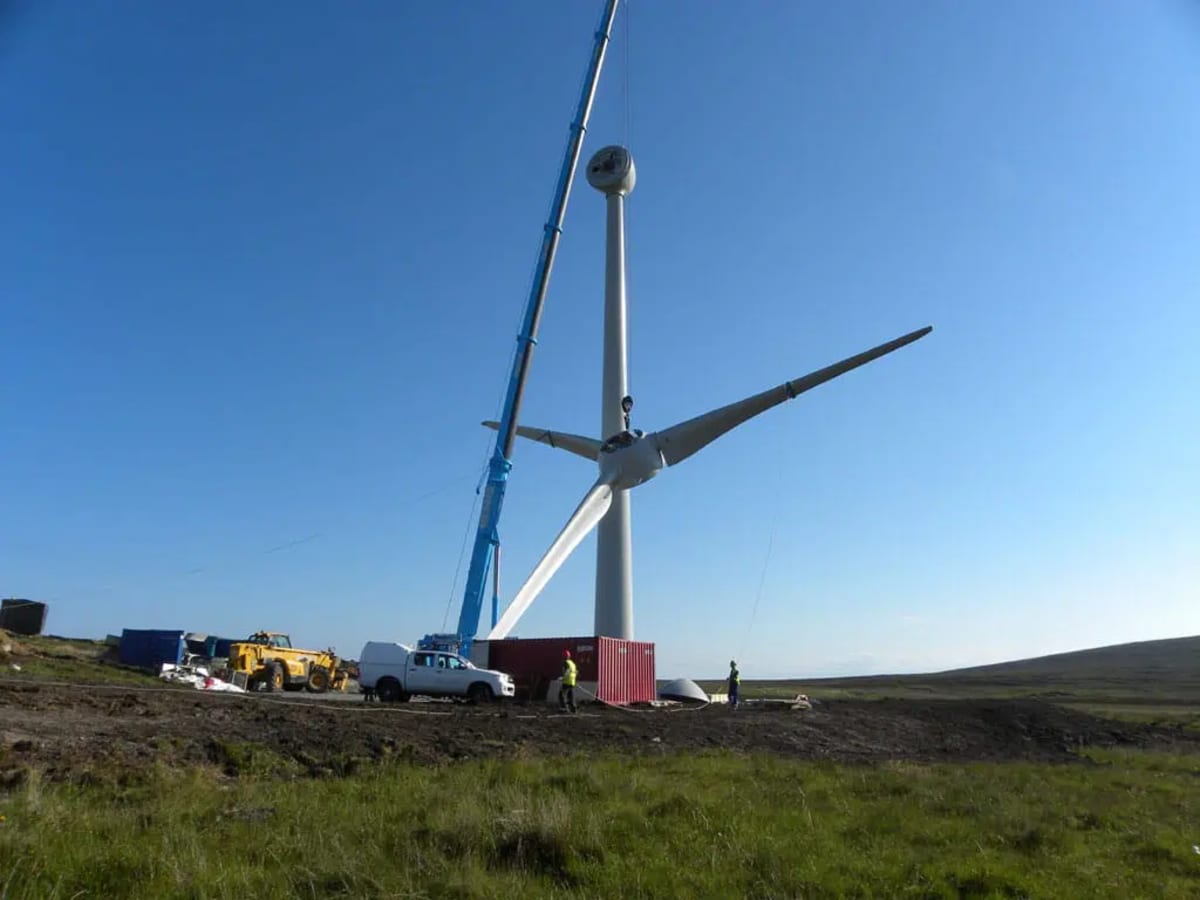
My role at Community Energy Scotland is Technical Team Manager. I lead a team of three to five and we operate as a kind of internal technical consultancy within the wider work of the charity. Projects across CES can draw on our expertise, we run sessions to build technical understanding across the wider team, and we deliver consultancy projects of our own from start to finish, often for community organisations. I'm responsible for allocating people across projects, making sure the team isn't over-stretched, and ensuring everyone has the skills and tools they need to do their best work.
What the work actually involves
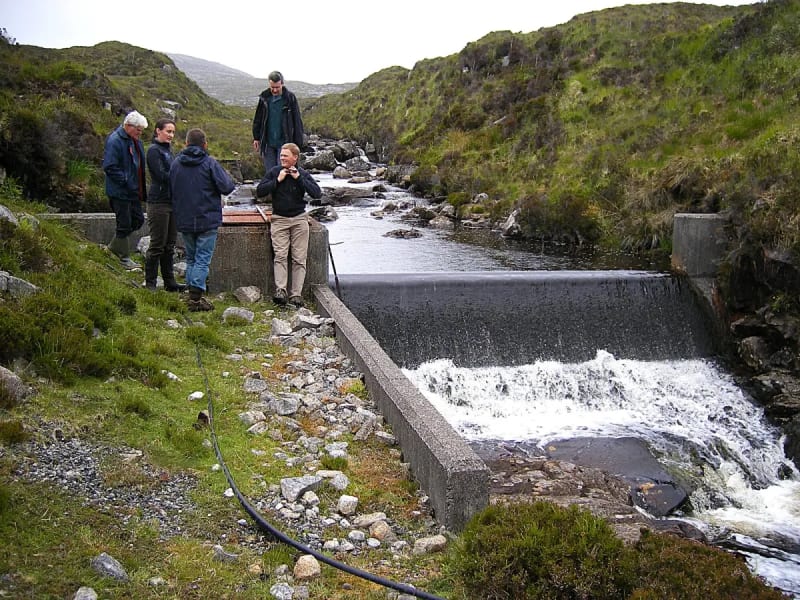
The work spans a lot of ground. We support communities who are repowering or installing energy generation equipment such as wind, solar, hydro, and batteries: helping them understand what's feasible on their site, what a grid connection involves, what the likely returns are, and what the maintenance risks look like. We also support communities who have community buildings such as community halls. These spaces are often expensive to heat and inefficient - our first task is often just understanding where the energy is going. Our team also does some wind farm management work; we've done lots of mapping of community energy assets; and right now I'm leading our input into a microgrid feasibility study for an ambitious community with a long history in energy generation. The project began with a workshop that brought together key community representatives, the client's technical lead, and technical minds from across Community Energy Scotland. Together, we carefully unpicked what the islands' priorities are and where the technical opportunity of a microgrid fits within those priorities. The findings became a framework for the technical brief that followed. My role was in coordinating all of this and ensuring that what emerged was carried forward into the work that followed.
What this work has taught me
On reflecting on this role, I notice how much I've learned about what it means to work with and support place-based community organisations. The people developing these projects are often volunteers working to improve their local circumstances for everyone. The technical projects must fit into how they actually work. I've written about this more in my writing on my dissertation project, where I explore what it means for a tool to be genuinely convivial: accessible, repairable, positively connected to the ways a community works and the activities it does. I learned about those principles in doing this technical work.
A key part of our role is interfacing between technical outputs and how community organisations work. The starting resources these projects require (site plans, energy bills, planning permissions, wiring diagrams) can feel deeply alienating to people who haven't encountered them before and aren't familiar with the systems needed to obtain them. This creates a challenge for us, but is balanced out by the fact that these communities inherently carry something just as important: a deep, often implicit knowledge of the place they live and are trying to support. Scotland has a rich history of community energy development (one Community Energy Scotland has been central to) and many of the groups we work with have genuine technical depth as a result. Our job is to tap into both: the knowledge that's easily communicated and the knowledge that's inherent in how people act and what they care about, and to develop solutions that feel connected to their vision even when the underlying work is (for some!) technical and unfamiliar.
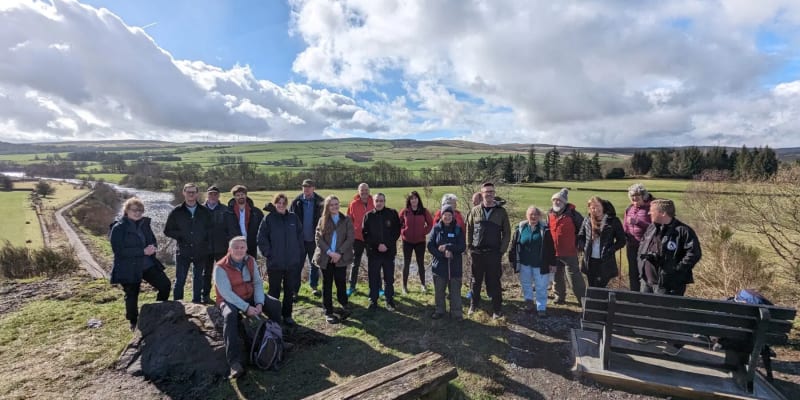
I have come to understand this work as being at the sharp end of sites of technoscientific negotiation: that tension point when a technology meets a community and both are changed by the encounter. The resulting assemblage is something neither the technology nor the community was before. When a project completes and something genuinely works in a community context, it works not just because it's functioning but because it's become part of how that place operates. That's what makes this work feel different from other kinds of technical work.